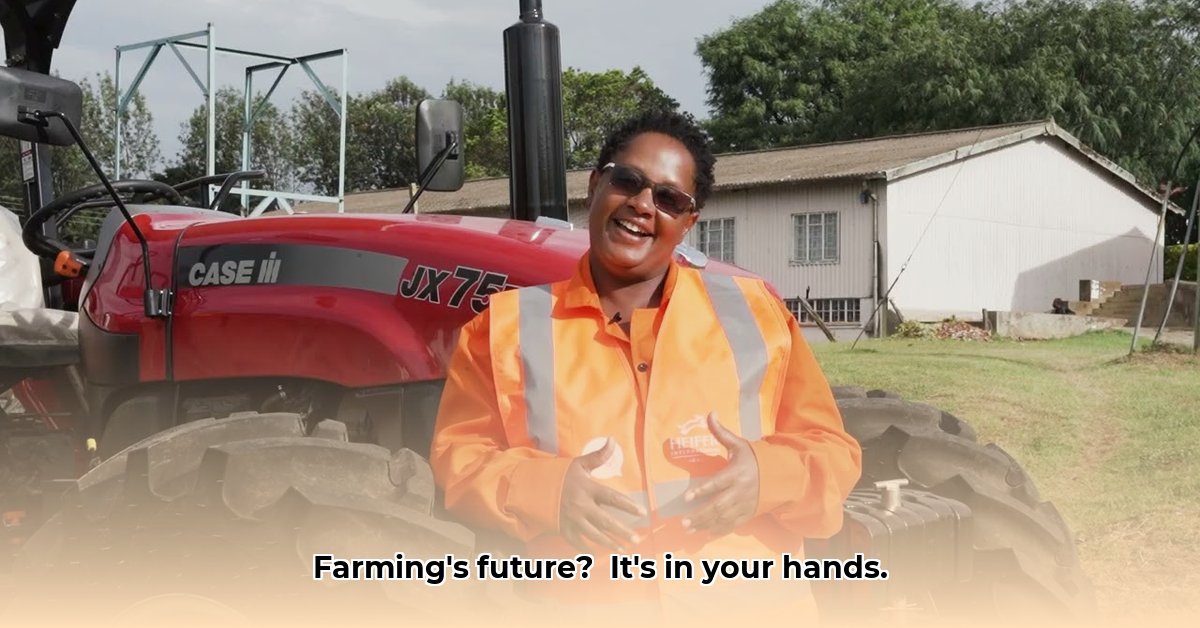
Picture of a Tractor Operator: Farming's High-Tech Revolution
Farming is evolving beyond simply producing large harvests. Sustainable practices are paramount, demanding a new approach to agricultural machinery operation. Today's farmer isn't just a skilled driver; they're a data analyst, environmental steward, and precision mechanic, all rolled into one. This transformation requires a new set of skills.
Gone are the days of relying solely on instinct and experience. Modern agriculture leverages technology to optimize efficiency and minimize environmental impact. This shift necessitates a reassessment of the traditional tractor operator role, now more accurately described as an agricultural equipment operator. For those new to operating this equipment, learn how to drive a tractor.
From Simple Machines to Smart Systems: The Precision Agriculture Boom
Precision agriculture represents a paradigm shift. GPS-guided tractors, automated planting systems, and data-driven decision-making tools are becoming commonplace. Imagine a tractor adjusting its speed and planting depth based on real-time soil analysis; this is now a reality for many. Operators utilize digital dashboards to analyze data, maximizing yields while minimizing waste.
Think of the difference: A farmer using traditional methods might spend hours manually adjusting equipment, relying on intuition. In contrast, a modern operator uses technology to automate many tasks, resulting in increased fuel efficiency, reduced fertilizer runoff, and a smaller environmental footprint. It's a mutually beneficial change, improving both profitability and sustainability. This is a significant improvement over older, less efficient methods.
How much has fuel efficiency increased with the adoption of precision agriculture technologies? While precise figures vary depending on factors like specific technology and farm size, studies show significant reductions in fuel consumption, often exceeding 20% in many cases.
Dr. Anya Sharma, Agricultural Engineering Professor at Cornell University, notes, "The integration of smart technologies is not just about increased efficiency; it's about building resilience into farming systems, allowing farmers to adapt to changing climate conditions and resource availability."
The Skills Gap: A Looming Challenge
This technological advancement, however, creates a significant challenge: a widening skills gap. Experienced operators proficient with traditional machinery often struggle to adapt to new, complex systems. The learning curve is steep, and current training programs haven't kept pace with technological advancements. This creates a substantial threat to the future of our food supply, raising concerns about the availability of skilled agricultural equipment operators.
Bridging the Gap: A Collaborative Effort
Addressing this skills gap demands a multifaceted approach: comprehensive training programs, standardized certifications, promotion of lifelong learning, and targeted support for smaller farms.
Here's a roadmap for developing a skilled workforce:
- Invest in Modern Training: Continuously updated training programs reflecting the latest agricultural technology advancements.
- Standardize Certifications: Industry-wide certifications ensure consistent operator competency, benefiting both employers and consumers.
- Promote Lifelong Learning: Ongoing training and support through workshops, online courses, and industry conferences are crucial for staying current.
- Support Smaller Farms: Ensure training and resources are accessible to all farmers, regardless of size, through targeted assistance programs.
Beyond Technology: The Environmental Steward
Sustainable agriculture requires more than technology; it demands operators who understand and manage their environmental impact. Skilled operators optimize fuel usage, reduce soil compaction (preserving soil health), and apply fertilizers precisely, minimizing harmful runoff. They are not just machine operators, but responsible environmental managers. This holistic approach is vital for the long-term health of the land and natural resources. How much fertilizer runoff can be prevented through precision application techniques? Research suggests a reduction of up to 50%, significantly improving water quality and reducing pollution.
Mr. David Miller, a fifth-generation farmer from Iowa, said, "Farming is now about far more than plowing a field. We're managing complex ecosystems. This new technology requires a new type of skilled worker."
The Future of the Agricultural Equipment Operator: A Rewarding and Essential Role
The future of farming depends on skilled and adaptable equipment operators. The growing global population and the increasing need for sustainable food production heighten the demand for environmentally conscious professionals. A commitment to robust training, advanced education, and sustainable practices is essential for a secure and prosperous agricultural future. The agricultural equipment operator will play a crucial role in feeding the world and protecting our planet, positioning it as a vital and rewarding career path.
How to Choose Sustainable Agriculture Machinery for Small Farms
Key Takeaways:
- Small farms need efficient, affordable, and environmentally friendly equipment.
- Choosing sustainable machinery involves careful consideration of farm size, crops, and budget.
- Manual tools are an excellent entry point for sustainability.
- Mini tractors offer a balance of power and efficiency.
- Government programs and financing options facilitate the transition to sustainable equipment.
- Investing in sustainable equipment yields long-term cost savings and environmental benefits.
Sustainable agriculture is crucial for small farms, requiring informed equipment choices. It's about making strategic, long-term investments. We'll explore how to navigate this process effectively.
Assessing Your Needs: The First Step
Begin by carefully evaluating your farming operation. Consider crop types, land size, and present limitations. This self-assessment is fundamental to choosing appropriate machinery. A diverse, small farm has different needs from a large, specialized operation.
Starting Small: Manual Tools and Soil Health
Investing in high-quality manual tools is an effective starting point. Shovels, hoes, and hand-held tillers are affordable, fuel-free, and minimize environmental impact. They're ideal for smaller tasks, reducing costs and fuel consumption. Improving soil health through composting and cover cropping further enhances efficiency, reducing reliance on heavy machinery.
The Mini Tractor Revolution: Power and Efficiency
Mini tractors are increasingly popular for small farms, offering a balance of power and efficiency. When selecting a mini-tractor, consider:
- Engine Size and Fuel Efficiency: Prioritize low-consumption, low-emission models.
- Attachment Versatility: Opt for tractors compatible with various attachments (plows, tillers, mowers) to maximize flexibility and reduce the need for multiple machines.
- Maintenance and Repair: Research parts and service availability to minimize downtime.
Smart Technology Integration: The Next Frontier
Smart technologies—soil sensors, GPS guidance systems, and precision spraying—can significantly reduce resource use while increasing yields. While initial investments might be substantial, the long-term benefits—reduced fertilizer and pesticide needs, optimized irrigation, higher yields—make it a worthwhile consideration for many farms.
Financing and Support: Navigating the Hurdles
Sustainable equipment can be expensive. Explore available government subsidies, grants, and loan programs. Local agricultural extension services are invaluable resources, providing advice and information on suitable technologies and available resources.